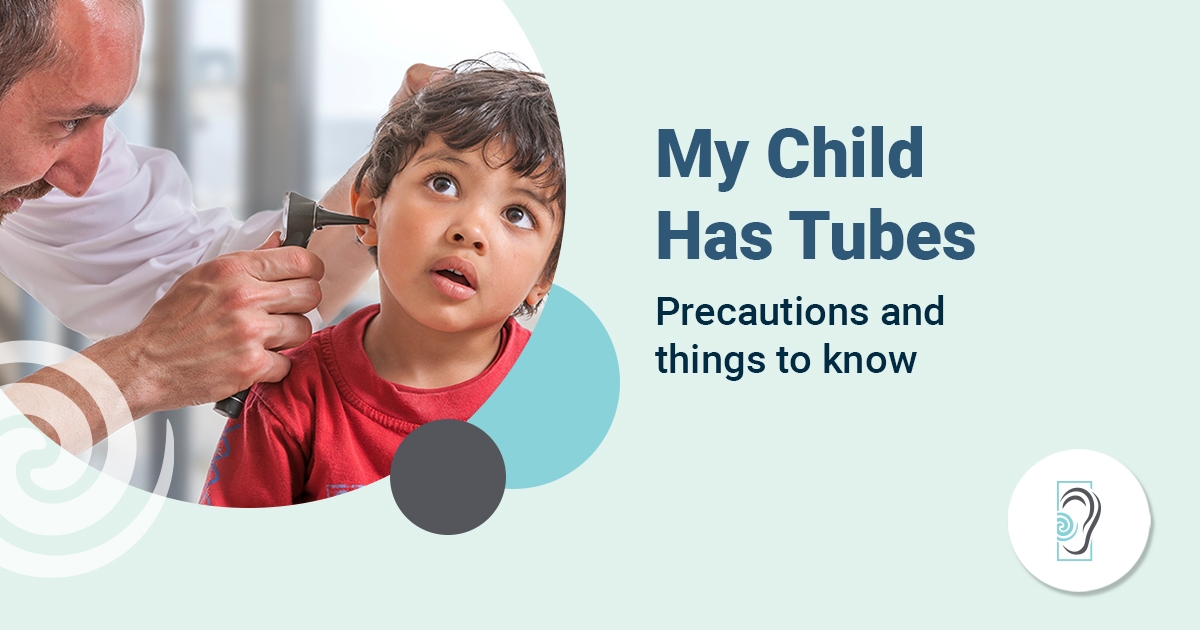
If your child has recently had Pressure Equalizing (PE) tubes (also known as drainage tubes or drains) fitted, you’re probably wondering what precautions to take to ensure their effectiveness and avoid complications. These tubes, often inserted after several middle ear infections (otitis), can be an excellent way of relieving symptoms and avoiding recurrent infections. However, there are a number of things to bear in mind if all goes well.
1. What are PE tubes?
Transtympanic tubes are small plastic structures inserted into a child’s eardrum during a surgical procedure performed by an ear, nose and throat doctor, usually under general anaesthetic. Their main role is to allow the evacuation of air and fluids from the middle ear, helping to reduce pressure and prevent infection. These tubes remain in place for several months, then usually fall out on their own.
2. Why are transtympanic tubes necessary?
Transtympanic tubes are often recommended when middle ear infections are frequent or persistent, or when fluid build-up behind the eardrum is causing hearing problems. This can affect your child’s ability to hear and speak.
The decision to fit transtympanic tubes is made by an ENT specialist (otolaryngologist). The ENT specialist assesses the need for the procedure on the basis of the child’s state of health, the frequency of infections and the impact on hearing. If tubing is deemed necessary, an ENT specialist also performs the surgery.
3. Precautions to take with transtympanic tubes
After the transtympanic tubes have been inserted, here are a few precautions to follow to protect your child’s ears:
- Avoiding water in the ears: One of the most important precautions is to protect the ears from water, especially in the first few weeks after the operation, or when there is discharge from the ear. If the child reports discomfort when water enters the ears, it is also advisable to protect the ears with swimming plugs. However, it is strongly recommended to avoid swimming in lakes or non-chlorinated pools; otherwise, it is essential to protect the ears with earplugs and headbands.
- Watch for signs of infection: Keep an eye out for any redness, discharge or pain in your child’s ear. If you notice any of these symptoms, contact your paediatrician or ENT specialist immediately.
- Regular follow-up: After the operation, it’s important to see your ENT doctor regularly to check that the tubes are in place and that the ear is functioning properly. It is also necessary to see your audiologist to perform hearing tests and ensure that temporary deafness related to past infections has resolved.
- Limit the risk of trauma: Avoid excessive scratching or touching of the ears, as this could displace the tubes or cause infection. Also, ask your child not to insert objects into his ears.
4. The benefits of transtympanic tubes
Although it may seem worrying at first, transtympanic tubes offer many benefits for children suffering from recurrent ear infections:
- Infection prevention: By enabling efficient drainage of the middle ear, tubes reduce the risk of frequent infections.
- Improved hearing: They help restore normal hearing by reducing pressure and fluid behind the eardrum, enabling your child to hear better.
- Improved comfort: With tubes in place, your child is less likely to feel the pain of pressure building up in the middle ear.
5. What happens when the tubes fall out?
After a few months, the transtympanic tubes usually fall out on their own. If this does not happen, or if follow-up is required, the tubes are removed by the ENT specialist.
Conclusion
Transtympanic tubes are an effective solution for treating chronic ear infections and improving your child’s hearing. By taking the appropriate precautions and ensuring medical follow-up, you can help your child reap the full benefits of this procedure.
If you’d like to give your child’s ears extra protection, especially when swimming, we invite you to contact us for custom-made swimming plugs. If you have any questions about your child’s hearing health, please do not hesitate to contact our clinic.
Lien ste justine : https://www.chusj.org/fr/soins-services/O/ORL-(oto-rhino-laryngologie)/Soins-des-tubes